

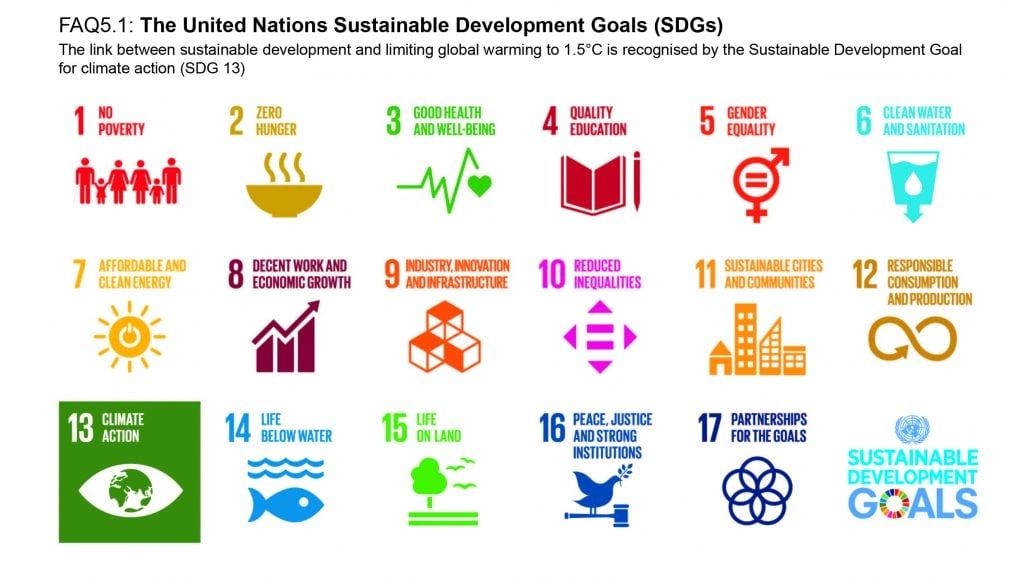
In 2015, the United Nations (UN) launched the 17 SDGs as part of the “2030 Agenda for Sustainable Development” — a comprehensive blueprint for a better future for people and planet. The goals, which range from ending poverty and hunger, to achieving gender equality, clean energy, sustainable cities, climate action and more, are universal: every country committed. UNDP+3Sustainable Development Goals+3United Nations+3
They are interlinked: success (or failure) in one area affects many others.
Why the SDGs continue to matter
- They provide a shared language and framework across governments, private sector, civil society, academia and individuals. unemg.org
- They help integrate economic, social and environmental dimensions — e.g., you can’t tackle poverty without considering climate impacts or gender equality. Sustainable Development Goals+1
- They serve as a benchmark: you can measure progress (or lack thereof) using indicators and targets. Our World in Data+1
- For business and finance (which is a domain I know you’re familiar with), they are increasingly used as a filter for strategy, risk assessment, sustainability reporting and impact investing.
Current Issues & Challenges Facing the SDGs
Despite good intentions, the SDGs face substantive obstacles. Here are key issues:
1. Resource & Financial Gaps
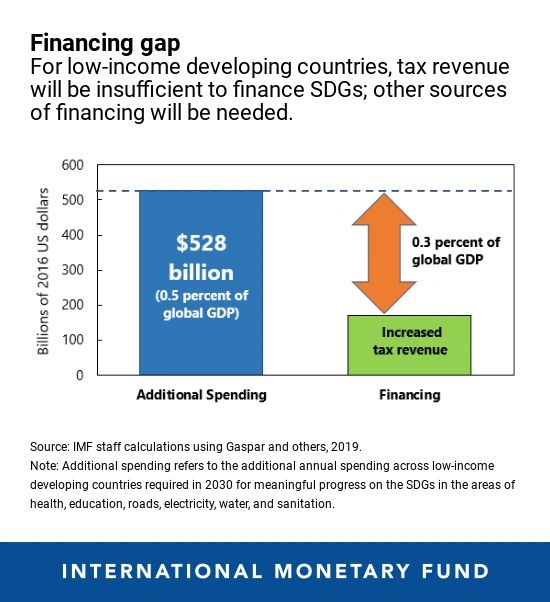
- Many low- and middle-income countries are facing heavy debt burdens, which means they must allocate scarce budgets to servicing debt rather than investing in development. Reuters+2Cambridge Judge Business School+2
- The level of investment required to meet many SDG targets is far beyond current flows — and the financing gap is especially big in sectors like climate resilience, food systems, social protection. Cambridge Judge Business School+2UNSD+2
- Private sector involvement is often insufficient, or is focused on more profitable sectors, leaving more vulnerable goals under-funded.
2. Data, Measurement & Implementation Gaps
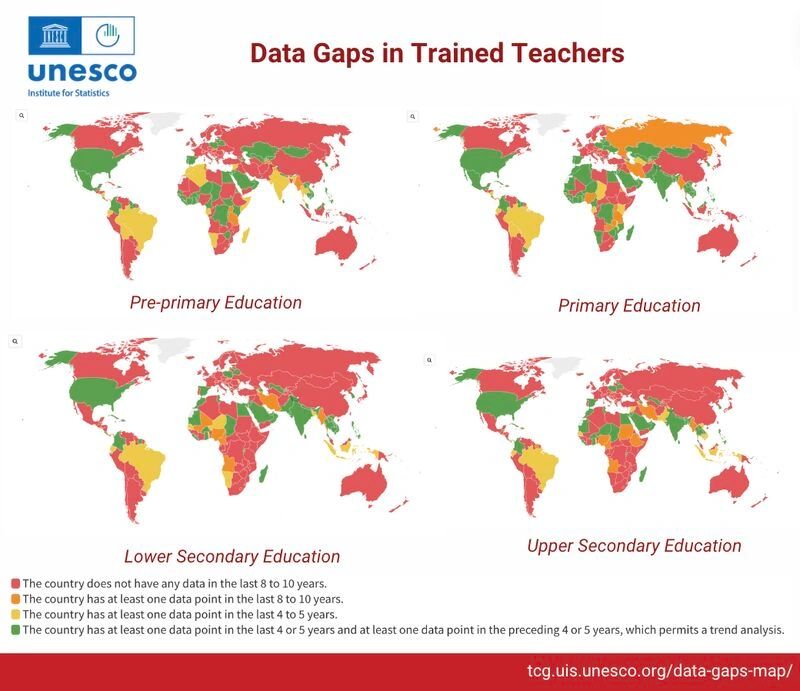
- In many countries, data to track progress is incomplete, delayed or inconsistent, making it hard to assess where we stand. Lippincott Journals+1
- Implementation often lags: translating global commitments into national policies, and then into local action, remains challenging. Japan+1
- In some cases, there is a disconnect between the rhetoric of “sustainable development” and the actual investment in structural change.
3. Intersectionality, Trade-offs & Policy Integration
- Because the goals are interdependent, a win in one area might cause difficulties in another unless managed. For example: pushing industrial growth could worsen environmental metrics unless decoupled from emissions. Japan
- Some strategies ignore social justice dimensions — e.g., focus on “green growth” without ensuring inclusion or gender equity.
- Policy frameworks often remain siloed: social, economic and environmental agendas are not always well-integrated.
4. Global Crises & Backsliding
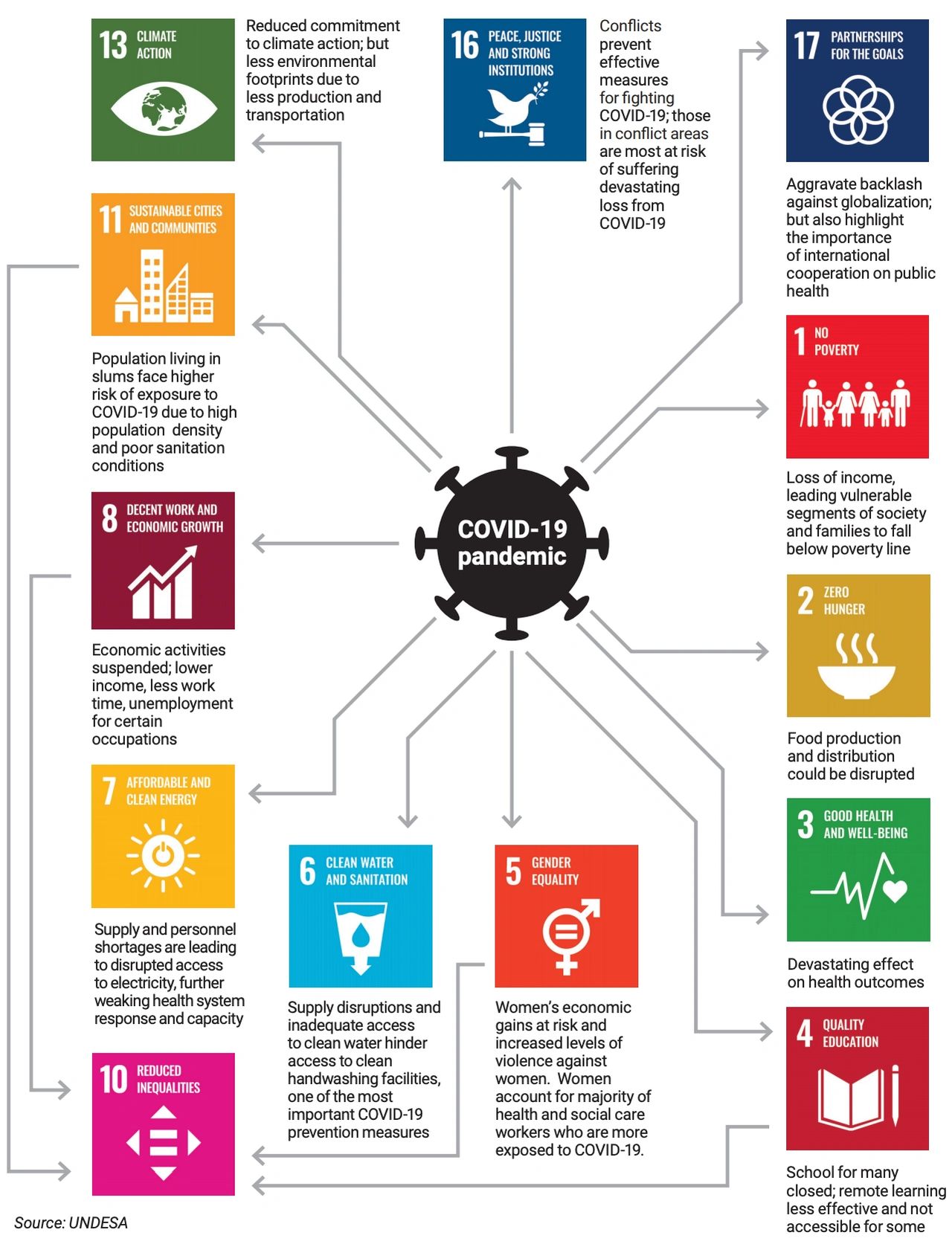
- The global shocks of recent years — COVID-19, conflict (e.g., in Ukraine), supply-chain disruptions, inflation — have significantly hindered SDG progress. UNSD+1
- In some cases, progress has reversed, especially in fragile and conflict-affected states. The Guardian
- Climate change is both a goal (SDG 13) and a multiplier of risk: it undermines efforts on poverty, hunger, health, equality.
- The pace of progress is insufficient: conventional reporting indicates many targets are off-track. Wikipedia+1
5. Private Sector, Greenwashing & Governance
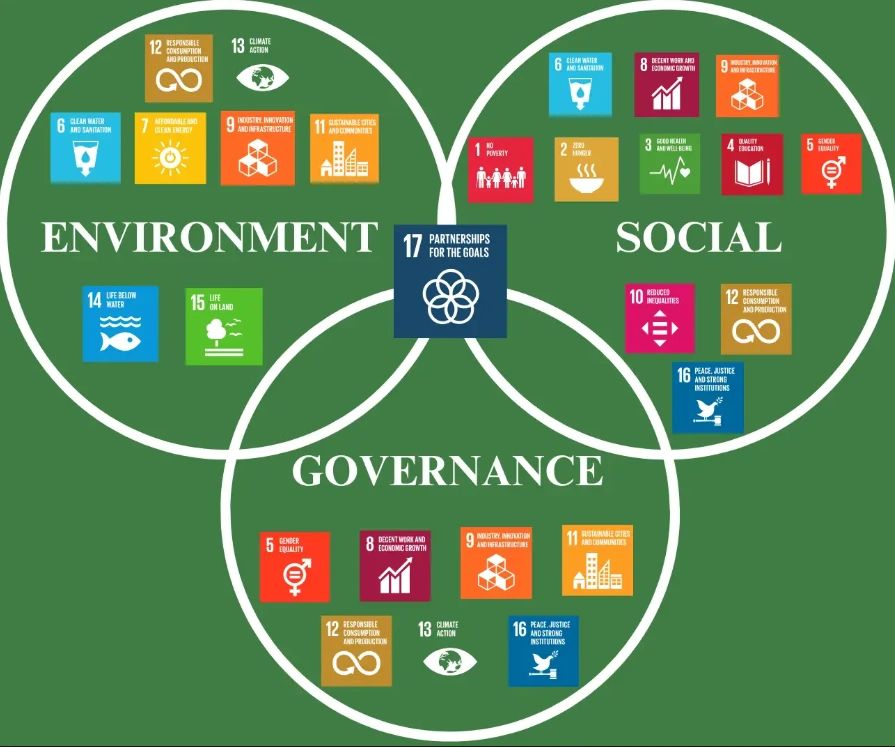
- Some firms claim alignment with the SDGs but engage in “greenwashing” or superficial “ESG” practices without substantive impact. Cambridge Judge Business School
- Effective governance is crucial: without strong institutional capacity, accountability, inclusive governance, and policy coherence, SDG progress slows.
- Business and finance actors increasingly engage with the SDGs, but aligning profit-seeking models with long-term sustainable development remains a difficult transformation.
About the Author
Dr. Cezhan Ambrose, DBA is a Post-Doctoral Research Scholar at Pepperdine University and a finance lecturer specializing in corporate governance, ESG integration, and sustainable investment strategy. His work examines how data-driven governance and environmental performance can enhance long-term financial returns.


