
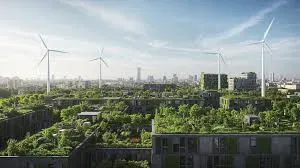
When most people think of sustainability, they think of carbon. Carbon footprints. Carbon offsets. Net zero. While reducing greenhouse gas emissions is essential, our obsession with carbon has narrowed our vision. The truth is, sustainability is a multidimensional challenge — and carbon is only one thread in a much larger web.
The Danger of Carbon Tunnel Vision
Focusing exclusively on carbon reduction can lead to unintended consequences. A company might lower its emissions by outsourcing production to regions with weaker labor protections or higher water stress. An electric vehicle might cut tailpipe emissions but depend on cobalt mined under exploitative conditions. When we chase carbon metrics in isolation, we risk trading one problem for another.
Beyond Carbon: What Else Matters
Sustainability extends far beyond the atmosphere. It includes:
- Biodiversity: The intricate web of life that supports pollination, soil fertility, and ecosystem resilience.
- Water: Scarcity, contamination, and overuse that threaten human and ecological survival.
- Land Use: Deforestation and soil degradation that undermine both food security and carbon storage.
- Materials and Waste: The hidden costs of extraction, disposal, and the linear “take-make-waste” economy.
- Equity and Governance: The systems that determine who benefits and who bears the burden of environmental decisions.
Each of these dimensions interacts. Protecting forests supports carbon sequestration. Reducing waste conserves water and energy. Ensuring equity strengthens community resilience. True sustainability recognizes these feedback loops — and designs interventions that create synergy rather than trade-offs.
The Path to Holistic Sustainability
Moving beyond carbon means adopting a systems perspective. It means tracking multiple indicators of planetary health and social well-being, not just emissions. It also means aligning incentives — financial, regulatory, and cultural — with holistic outcomes.
We cannot solve a multidimensional problem with one-dimensional thinking. The future of sustainability depends on expanding our field of vision to include the full complexity of life on Earth. Carbon may be the headline, but the real story is interconnection.
About the Author
Cezhan Ambrose is a post-doctoral research fellow at Pepperdine University’s Graziadio Business School, where his doctoral work examined the impact of corporate governance on environmental sustainability outcomes across U.S. public companies. A finance lecturer and sustainability researcher, he bridges data-driven analysis with systems thinking to explore how governance, transparency, and accountability can accelerate the global transition toward environmental sustainability.


